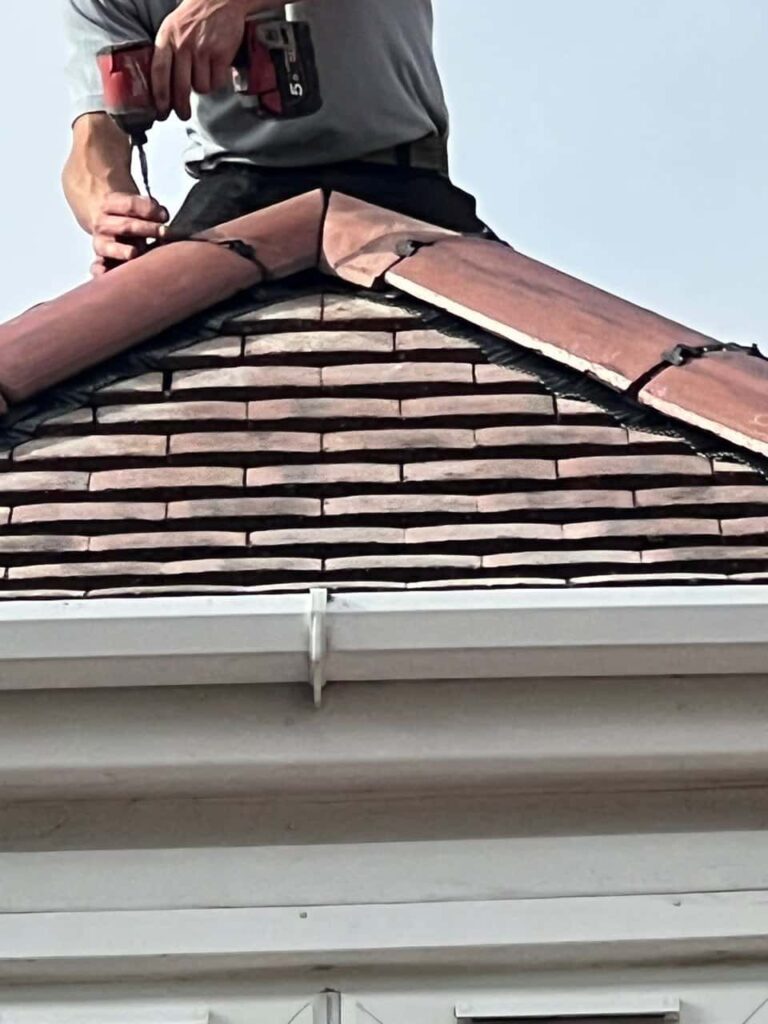
Storms can put considerable strain on a roof, leaving tiles displaced, flashing damaged or sections of the roof covering exposed to rain. Even damage that appears minor from the ground can allow water to enter your property, potentially affecting ceilings, insulation and internal finishes. Knowing what to do after a storm can help you protect your home and arrange the right repairs promptly.
For homeowners in Greenhithe, Kent, acting quickly after roof damage is important, particularly when further rainfall is expected. Greenhithe Roofing Repairs provides professional emergency roof repairs to assess storm damage, identify vulnerable areas and help restore the protection your roof provides.
What Types of Roof Damage Can a Storm Cause?
Strong winds and heavy rain can affect different parts of a roof, depending on its age, construction and existing condition. Common problems include:
- Slipped or missing tiles and slates that leave sections of the roof exposed.
- Damaged ridge tiles that can allow water to penetrate the roof.
- Loose or lifted flashing around chimneys, roof junctions and other vulnerable areas.
- Blocked or damaged gutters that prevent rainwater from draining away correctly.
- Damaged flat roof membranes that allow water to enter through cracks, splits or lifted edges.
- Falling branches or debris that damage roofing materials or roof structures.
Some problems are immediately visible, while others may only become apparent when water begins entering the property. A professional inspection can help establish the extent of the damage and determine which repairs are necessary.
1. Put Safety First After Storm Damage
Your first priority should be the safety of everyone inside the property. Avoid climbing onto the roof to inspect missing tiles, loose materials or damaged flashing. Wet surfaces, strong winds and weakened roof structures can make access extremely dangerous.
If you notice water entering near electrical fittings, lights or sockets, avoid touching the affected equipment and keep clear of the area. If there is significant structural damage, a sagging ceiling or signs that part of the roof may collapse, keep people away from the affected rooms and seek appropriate emergency assistance.
You can inspect the roof from a safe position on the ground, but do not attempt to remove loose materials or carry out temporary repairs at height. A qualified roofer has the equipment and experience needed to assess the situation more safely.
2. Check for Signs of Water Ingress Inside Your Home
Once it is safe to do so, look for signs that rainwater has entered the property. These may include brown ceiling stains, damp patches on upper walls, peeling paint, dripping water or wet insulation in an accessible loft space.
Water does not always appear directly beneath the damaged part of the roof. It can travel along roof timbers and other structural components before becoming visible indoors.
If water is dripping into a room, move furniture and belongings away from the affected area where possible. Use a suitable container to catch minor drips, provided it is safe, and avoid standing beneath a visibly bulging or sagging ceiling.
Make a note of the affected areas and any visible changes. This information can help Greenhithe Roofing Repairs investigate the source of the leak and identify the appropriate repair.
3. Arrange Emergency Roof Repairs Promptly
Once immediate safety concerns have been addressed, contact a professional roofing service to assess the damage. Prompt attention can help prevent additional rainfall from worsening the problem.
Greenhithe Roofing Repairs can inspect storm-damaged roofing in Greenhithe, Kent, identify vulnerable sections and recommend suitable remedial work. Depending on the findings, this may involve replacing missing tiles, securing damaged components, repairing flashing or addressing defects in a flat roof covering.
The correct approach depends on the type and extent of damage. A repair should address the underlying cause of the leak rather than simply covering the visible symptoms. Where the roof has suffered more extensive structural damage, a more detailed assessment may be needed before permanent repairs can be completed.
4. Understand the Difference Between Temporary Protection and Permanent Repairs
In some circumstances, temporary measures may be necessary to limit further water ingress until permanent repairs can be carried out. The appropriate approach depends on the condition of the roof and whether the affected area can be accessed safely.
Temporary protection should not be treated as a lasting solution. Loose tiles, damaged flashing or torn membranes may continue to cause problems if the underlying defect is not properly repaired.
A professional roofer can advise whether temporary measures are suitable and explain what work is required to restore the roof’s weather resistance. Avoid using ladders, climbing onto the roof or attempting to secure tarpaulins yourself during unsettled weather.
5. Look for Problems That May Develop After the Storm
Not all storm-related roof damage leads to an immediate leak. Small openings, loose ridge tiles and damaged joints may remain unnoticed until further rainfall exposes the weakness.
After severe weather, pay attention to new ceiling stains, persistent damp smells, dripping sounds in the loft and changes around the roofline. Also check for gutters that overflow or appear to have become detached, as these can contribute to water-related problems.
If you notice new symptoms in the days following a storm, arrange an inspection rather than assuming the roof has escaped damage. Early repairs can help prevent a small defect from developing into a more extensive problem.
Why Choose Professional Emergency Roofing Services in Greenhithe?
Storm damage can affect several roofing components at once, making it difficult to identify every problem through a visual check from the ground. A professional assessment helps establish which areas need attention and whether further hidden damage may be present.
Greenhithe Roofing Repairs provides a practical approach to emergency roof repairs, focusing on identifying the source of damage and recommending work suited to the roof’s condition. Whether the issue involves missing tiles, damaged flashing or water entering through a flat roof, professional attention can help restore the roof’s protective function.
Conclusion
Storm damage should never be ignored, even when the roof appears largely intact. Missing tiles, loose roofing materials and damaged joints can allow water into your home, while hidden defects may lead to further problems after subsequent rainfall.
If your roof has been damaged by a storm in Greenhithe, Kent, prioritise safety and arrange a professional assessment as soon as possible. Greenhithe Roofing Repairs can help identify the damage, explain the necessary work and carry out suitable emergency roof repairs to protect your property.
Call us on: 01322 952 297
Click here to find out more about Greenhithe Roofing Repairs
Click here to complete our contact form and see how we can help with your roofing needs.