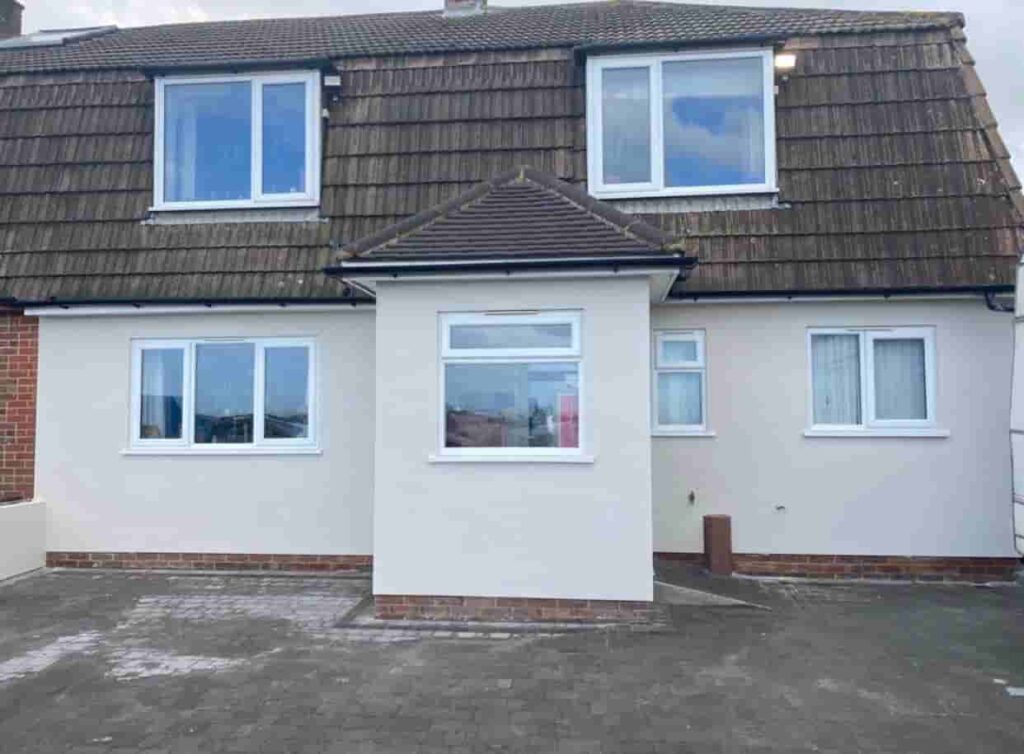
Roof tiles are designed to provide long-lasting protection against rain, wind, and changing weather conditions. However, over time, tiles can begin to loosen or slip out of position, leaving the roof vulnerable to leaks and structural damage. Slipped roof tiles are one of the most common roofing problems homeowners experience, particularly after periods of harsh weather or as roofs begin to age.
For homeowners in Greenhithe, Kent, understanding the causes of slipped roof tiles can help identify problems early and prevent more serious roofing damage from developing.
Ageing Roofing Materials
One of the main causes of roof tile movement is simple ageing. Over many years, roofing materials naturally weaken due to constant exposure to rain, wind, frost, and temperature changes.
As roofs age:
- Tile fixings may deteriorate
- Mortar can weaken and crack
- Battens beneath the tiles may become worn
- Tiles themselves can become brittle
These issues reduce the roof’s ability to hold tiles securely in place.
Strong Winds and Storm Damage
High winds are one of the most common reasons roof tiles become dislodged. During storms, wind pressure can lift loose or weakened tiles, particularly around roof edges, ridges, and exposed sections.
Storm-related tile movement often occurs because:
- Existing fixings have weakened over time
- Tiles are already slightly loose
- Wind enters beneath raised tiles
- Heavy gusts place pressure on vulnerable sections
Even one slipped tile can expose the surrounding roof area to further damage.
Faulty or Worn Tile Fixings
Roof tiles rely on secure fixings to remain stable over long periods. As these fixings age, they can corrode, weaken, or fail entirely.
This may lead to:
- Tiles gradually slipping downward
- Uneven roof sections
- Increased movement during windy conditions
Professional roof inspections can help identify weakened fixings before widespread tile movement develops.
Deteriorating Roof Battens
Roof battens are the timber supports beneath the tiles that help hold the roofing system together. If battens become weakened due to age or moisture exposure, tiles may lose proper support.
Damaged battens can contribute to:
- Repeated tile slippage
- Structural instability within the roof
- Increased vulnerability during storms
In many cases, slipped tiles may indicate hidden issues beneath the roof surface.
Freeze-Thaw Weather Cycles
British weather conditions often involve repeated freezing and thawing during colder months. Moisture can enter small cracks within roofing materials and expand as temperatures drop.
Over time, this process may cause:
- Tiles to crack or weaken
- Mortar joints to break down
- Tile fixings to loosen
These gradual weather-related effects can eventually lead to tiles slipping from position.
Poor Previous Roofing Work
Incorrect installation methods can also contribute to roof tile problems. If tiles were not properly secured or aligned during earlier roofing work, sections of the roof may become unstable sooner than expected.
Poor workmanship can lead to:
- Uneven tile positioning
- Weak tile fixing systems
- Reduced resistance to weather exposure
- Premature roofing deterioration
Professional roofing installation and repairs are essential for long-term roof stability.
Moss and Debris Build-Up
Excessive moss growth and debris accumulation can trap moisture against roof tiles and add unnecessary weight to the roofing system. Over time, this may contribute to material deterioration and tile movement.
Moss-related problems may include:
- Retained moisture beneath tiles
- Increased tile wear
- Blocked drainage areas
- Gradual weakening of roofing materials
Routine roof maintenance helps reduce these risks.
Structural Roof Movement
In some situations, slipped tiles may be linked to subtle movement within the roof structure itself. Settling, ageing timbers, or long-term structural stress can affect tile alignment over time.
Signs of structural movement may include:
- Uneven roof lines
- Repeated tile displacement
- Sagging roof sections
- Cracking around roof joints
Professional assessments are important when tile slippage becomes a recurring issue.
Why Prompt Repairs Matter
Even a single slipped roof tile can leave vulnerable sections of the roof exposed to moisture and weather damage. Water entering through small gaps may eventually affect underlay, battens, insulation, and internal ceilings.
Quick repairs help prevent:
- Roof leaks
- Damp problems inside the property
- Additional tile movement
- More extensive structural deterioration
Addressing problems early usually helps minimise long-term roofing damage.
Why Professional Roofing Services Matter
Roof tile repairs should always be carried out by experienced roofing professionals who can identify both visible and hidden roofing problems safely.
At Greenhithe Roofing Repairs, we provide expert roofing services throughout Greenhithe, Kent, helping homeowners maintain strong, weather-resistant roofs with reliable professional care.
Our services include:
- Replacement of slipped or damaged roof tiles
- Roof inspections and maintenance
- Storm damage repairs
- Leak detection and roof repairs
- Long-term roofing care and upkeep
We focus on delivering dependable roofing solutions designed to protect properties throughout the year.
Conclusion
Roof tiles can slip for many reasons, including ageing materials, storm damage, weakened fixings, deteriorating battens, and ongoing weather exposure. While a slipped tile may appear minor initially, it can quickly lead to leaks and more serious structural problems if left unresolved.
For homeowners in Greenhithe, Kent, professional roofing inspections and timely repairs are essential for maintaining a secure and weather-resistant roof. Greenhithe Roofing Repairs provides expert roofing services designed to identify problems early, restore damaged areas, and help protect properties from avoidable long-term roofing issues.
If you have noticed slipped, cracked, or missing roof tiles, arranging a professional roof inspection is the safest way to protect the condition and lifespan of your roof.
Call us on: 01322 952 297
Click here to find out more about Greenhithe Roofing Repairs
Click here to complete our contact form and see how we can help with your roofing needs.